Buying a Used Excavator: Your Checklist to a Reliable Machine
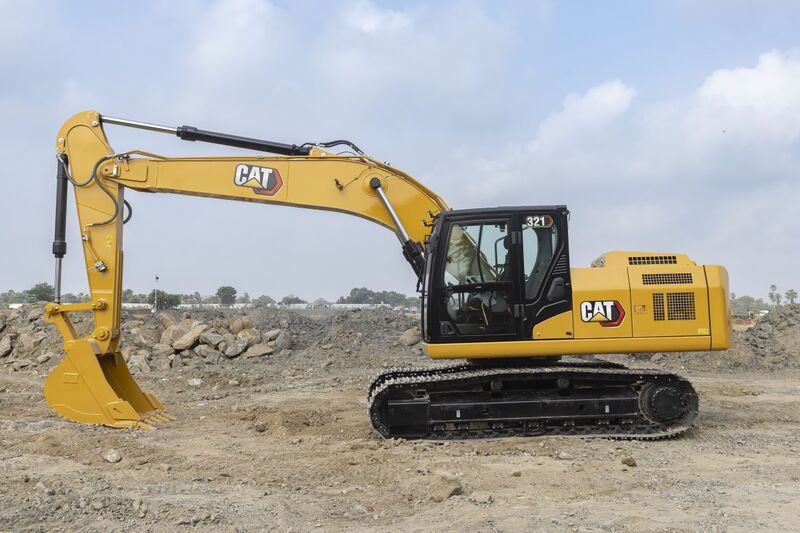
India’s construction and mining sectors are booming. However, not every business can afford a brand-new machine. Many contractors and fleet owners choose used excavators. They are versatile, affordable, and can last for years. Skip due diligence and the story changes. A hairline crack in the boom goes unnoticed. The undercarriage was already half-worn when you signed. Six months later, you end up paying for a track replacement that drains your savings. The machine that seemed like a good deal is now the reason your project is missing its deadline.
India’s construction and mining sectors are growing rapidly, but not every business can justify the cost of a brand-new machine. Many contractors and fleet owners therefore choose used excavators because they are versatile, affordable, and capable of serving reliably for years. However, skipping due diligence can quickly turn a good deal into a costly mistake. A hairline crack in the boom may go unnoticed. The undercarriage may already be half-worn when you sign. Six months later, a track replacement can drain your savings, and the machine that looked like a smart purchase can become the reason your project misses its deadline.
The real cost of buying on price alone is significant, and you can avoid it if you know what to check before you buy.
Step 1: Define What You Actually Need
Define the job requirements first. A mini excavator is suitable for light, urban work in tight spaces. A crawler excavator is great for tough earthmoving. Long-reach models are best for dredging. The size and tonnage must fit your project, not the buying price. An oversized used excavator that sits idle wastes your investment. It also costs you money in fuel, insurance, and yard space every month it isn’t working.
Step 2: Do a Thorough Visual Inspection
Inspect the machine in person. Never rely on photos alone. Check the boom, stick, arm, and undercarriage. Check for cracks, dents, rust, or new welds. These could mask hidden structural repairs. Inspect the pins and joints for extra movement. Also, check for any hydraulic fluid, oil, or fuel leaks collecting under the machine. A hidden welded crack isn’t a cosmetic issue. It can cause the machine to fail mid-lift.
Step 3: Test the Engine and Hydraulics
This is where expensive problems hide, so don’t skip it.
• Cold start the engine rather than accepting one that’s already warmed up. A warm engine can mask a hard, hesitant start that reveals real trouble.
• Watch the exhaust — blue smoke signals burning oil; unusual noises signal wear.
• Test the hydraulics by running the boom, arm, bucket, and swing, and feel for smooth, lag-free response.
A strained or sluggish hydraulic pump is no small matter. Pump and cylinder repairs can be costly. Often, they wipe out any savings you made by buying used.
Step 4: Inspect the Undercarriage and Tracks
The undercarriage endures the most wear on any excavator. It’s also the costliest part to replace. A full overhaul can take a big chunk of the machine’s resale value. Check the track tension, pad thickness, and the state of the sprockets and rollers. Uneven wear suggests poor maintenance and can reduce years from the machine’s life. A well-maintained, evenly worn undercarriage affects the price of a used excavator. Use it as your first real gauge of how the machine was operated.
Step 5: Check Engine Hours and Maintenance Records
Engine hours are important, just like mileage for a used car. For a mid-sized excavator, under 5,000 hours is usually good, but this can change by model vary by model. Always ask for maintenance logs covering oil changes and major repairs. Missing paperwork makes it difficult to verify how hard the machine was actually worked.
Step 6: Take It for a Test Run
Never buy without operating the machine yourself or having a trusted operator do so. Check that it starts quickly, that the boom, arm stick, bucket, and swing respond without lag, and that it moves and brakes predictably under load. If anything feels off, such as a hesitation, a knock, or a drift in the boom/stick/bucket cylinders, treat it as a red flag worth investigating before you commit. The investment is too large, and the workday losses from a machine that breaks down mid-project are too costly, to ignore.
Step 7: Verify Ownership and Legal Documents
Before finalizing any deal, confirm the seller can provide the following:
- Registration Certificate (RC)
- Insurance papers
- Pollution Under Control (PUC) certificate (Probably not applicable for Mid-size excavators)
- Service records
- Loan NOC for a financed machine
Missing paperwork can cause issues. It might delay your resale or leave you with a machine tied to someone else’s loan. Buying from a trusted dealer is the best way to avoid these problems.
Step 8: Compare Prices and Negotiate Smartly
Used excavator prices depend on brand, model year, engine hours, condition, and attachments like bucket or rock breakers. So, compare several listings before making a decision. Use your inspection findings, such as worn tracks, missing documents, or an aging undercarriage, as leverage. Also, ask about warranties or after-sales support. Many trustworthy dealers offer these on refurbished machines.
Buying From a Trusted Dealer Makes the Difference
Each step above is doable on your own, but it requires time and skill. One missed red flag can cost more than the time spent catching it. Buying from a trusted dealer reduces that uncertainty. The machines are pre-inspected, documents are verified upfront, and you get after-sales support if issues arise.
Gainwell offers that experience. As an authorized Cat® dealer in India, Gainwell offers certified used Cat hydraulic excavators. They include popular models like the Cat 320D2, Cat 349D2, and Cat 330 GC, inspected and backed by genuine documentation and dependable service support. Browse the full used Cat construction equipment range to compare models and specs.
Final Thoughts
Buying a used excavator is not about finding the lowest price. It is about buying certainty. Every step here, from the visual inspection to the paperwork check, is a way of turning an unknown machine into a known one, so the price you pay reflects the machine you’re actually getting, not the one you hope you’re getting. Define your needs, do the thorough inspection, verify the performance of engine and hydraulics, check the undercarriage, review the paperwork, and negotiate with the confidence of someone who has already done the hard part.
Looking for a reliable used excavator backed by genuine documentation and expert support? Visit the GainwellCAT website to explore your options and schedule a consultation with our team.

Comments
Post a Comment